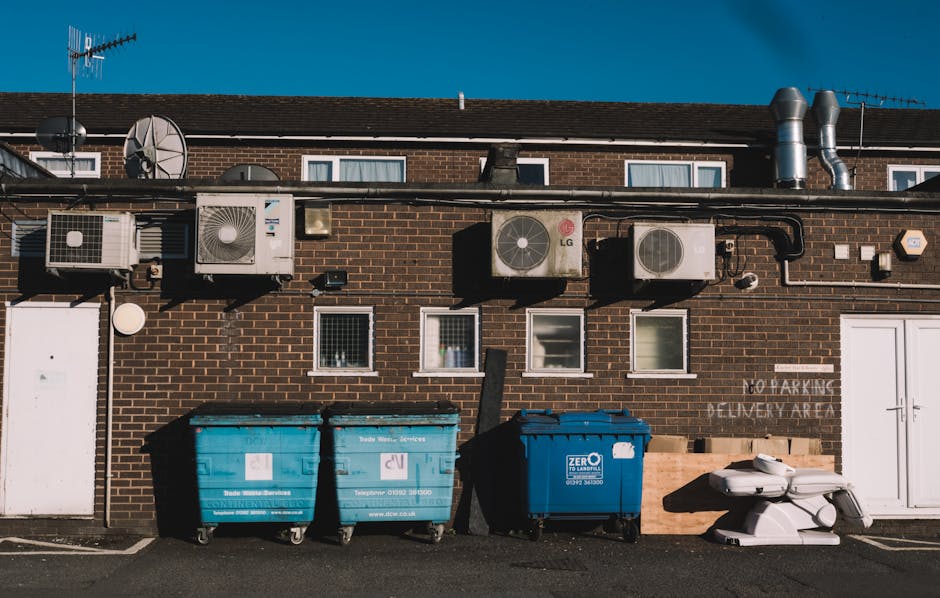
Commercial trade waste rules for Harrow businesses: a practical, plain-English guide
If you run a business in Harrow, trade waste can become one of those background jobs that quietly turns into a problem. One week it is a few boxes and packaging. The next, it is broken furniture, mixed rubbish, old stock, and a bin area that is already fuller than it should be. Commercial trade waste rules for Harrow businesses matter because the way you store, separate, collect, and document waste can affect compliance, costs, cleanliness, and even how customers see your business.
Truth be told, most businesses do not need a lecture. They need to know what counts as trade waste, what the rules practically mean, and how to keep things simple without cutting corners. This guide walks through the essentials in a way that is useful on a real workday, whether you manage a shop, office, cafe, workshop, estate agency, salon, or small warehouse operation.
We will look at how trade waste works, common mistakes, compliance considerations, and the choices that usually make the most sense for Harrow businesses. And yes, we will keep it grounded. Nobody wants a neat policy that falls apart the moment the bins start overflowing on a wet Tuesday morning.
Table of Contents
- Why Commercial trade waste rules for Harrow businesses Matters
- How Commercial trade waste rules for Harrow businesses Works
- Key Benefits and Practical Advantages
- Who This Is For and When It Makes Sense
- Step-by-Step Guidance
- Expert Tips for Better Results
- Common Mistakes to Avoid
- Tools, Resources and Recommendations
- Law, Compliance, Standards, or Best Practice
- Options, Methods, or Comparison Table
- Case Study or Real-World Example
- Practical Checklist
- Conclusion
- Frequently Asked Questions
Why Commercial trade waste rules for Harrow businesses Matters
Commercial waste is not the same as household rubbish. That sounds obvious, but it is one of the most common points of confusion. Once waste is produced by a business, it becomes trade waste, and it needs to be managed as a commercial responsibility rather than treated like ordinary domestic refuse.
For Harrow businesses, the reason this matters is fairly simple. Poor waste handling can lead to messy premises, avoidable costs, and awkward questions if waste is collected, stored, or transferred incorrectly. If you have ever seen a back alley with loose cardboard, a ripped bag, and a few coffee cups blowing around in the wind, you already know why this matters. It looks bad, smells worse, and gives the wrong impression in seconds.
There is also a practical side. Good waste routines help keep operations smoother. Staff know where to put things. Collections happen more predictably. Recycling is easier. And when an inspector, landlord, or managing agent asks for evidence of proper waste handling, you are not scrambling around for paperwork at the last minute. That alone can save a lot of stress.
Businesses in Harrow often sit in mixed-use areas, shared commercial buildings, high streets, light industrial units, or small office blocks. That means trade waste can affect neighbours, access routes, fire safety, and shared bin stores. So the rules are not just about compliance; they are about keeping the space around your business functional and respectful.
Expert summary: The safest approach is to treat trade waste as a managed business process, not an afterthought. Clear separation, regular collections, and proper transfer records usually solve most headaches before they start.
How Commercial trade waste rules for Harrow businesses Works
In practice, trade waste management follows a simple flow: identify the waste, separate it properly, store it safely, arrange a lawful collection, and keep the right records. The details vary by business type, but the structure is broadly the same.
First, you need to know what you are throwing away. Office paper, broken chairs, packaging, food waste, renovation debris, and confidential documents all need different handling. That is where many businesses slip up. They put everything in one bin and hope for the best. It never ends well. Not really.
Second, you need a collection setup that suits the volume and type of waste you create. Some businesses need regular scheduled collections. Others need occasional ad hoc clearances after refurbishments, stock changes, or seasonal spikes. If your waste is bulky, mixed, or generated unevenly, a service like business waste removal can be a practical fit because it helps deal with the mess in one go instead of trying to patch it together yourself.
Third, you should understand that trade waste must be handed to an authorised waste carrier. In UK practice, that means using a provider that can lawfully collect and transport commercial waste. You do not need to become a legal expert overnight, but you do need enough awareness to ask sensible questions before booking anyone.
Finally, records matter. Businesses are usually expected to keep evidence that waste was transferred properly. The exact paperwork can vary, but the principle is consistent: if waste leaves your premises, you should be able to show where it went and who took it. A little dull perhaps, but very important.
What usually counts as trade waste
- Office paper, files, and cardboard
- Packaging from deliveries and stock
- Broken desks, chairs, and shelving
- Food waste from cafes, canteens, or hospitality settings
- Builders' waste from fit-outs or refurbishments
- Old stock, displays, and shop fixtures
- Mixed general rubbish from day-to-day operations
What needs extra caution
Some items need more thought than others. Confidential paperwork, electricals, sharp materials, chemical containers, paint tins, and anything potentially hazardous should not be treated like ordinary rubbish. If you are unsure, slow down and check before you put it in a bin bag. That five-minute pause can prevent a much bigger problem later.
Key Benefits and Practical Advantages
Following trade waste rules is not just about avoiding trouble. Done well, it makes daily business life easier. To be fair, that is usually what people care about most once the jargon is stripped away.
The first benefit is tidiness. Cleaner storage areas mean safer staff movement, less clutter, and a better customer impression. If clients walk past bin stores to reach your premises, they notice. They always do.
The second benefit is operational control. When waste streams are separated properly, your team spends less time guessing where things go. That can improve recycling, reduce contamination, and make collections more efficient. In many businesses, that small bit of structure pays for itself in reduced mess and fewer rushed clear-outs.
The third benefit is compliance confidence. You are less likely to make mistakes around storage, transfer, or contractor choice if your process is consistent. That matters whether you run a small office or a larger commercial site with more moving parts.
The fourth benefit is reputational. Customers, landlords, and staff all tend to trust a business that looks organised behind the scenes. A neat waste arrangement sends a quiet but useful message: this place is run properly.
If your business also generates bulky furniture or fixtures, it can help to look at services such as office clearance or furniture disposal when you are upgrading, relocating, or clearing out old items. That kind of targeted approach is often simpler than trying to manage everything through a general bin stream.
Who This Is For and When It Makes Sense
This guide is relevant to any Harrow business that produces waste, which is to say: nearly all of them. The scale changes, but the core rules do not disappear just because you are small.
It is especially useful for:
- Offices with regular paper, packaging, and furniture waste
- Retail shops dealing with cardboard, damaged stock, and display fixtures
- Hospitality businesses handling food waste and frequent packaging
- Trades and contractors producing builders' or refurbishment waste
- Landlords and managing agents clearing commercial units between tenancies
- Small business owners who manage waste themselves rather than through a facilities team
It also makes sense whenever your waste pattern changes. A refurb, a stock reset, a seasonal rush, or a move to new premises can all create a sudden pile-up. One day the setup works fine, the next day there are flat-packed boxes everywhere and no clear plan. That is usually the moment people realise they need a better system.
Businesses with mixed waste streams should pay close attention too. For example, if your premises create both office waste and bulky items, you may need a combination of regular collection and occasional clearance support. In those situations, a broader waste removal service can be more efficient than juggling separate arrangements for every item type.
Step-by-Step Guidance
If you want to make commercial trade waste management manageable, keep it simple and build the process step by step. No grand overhaul needed on day one.
- List the waste your business actually produces. Walk the site and note what appears every week, every month, and only during busy periods.
- Separate recurring waste streams. Cardboard, general waste, food waste, confidential paper, and bulky items should not all go into one catch-all system if you can avoid it.
- Check storage space. Make sure bins, sacks, and containers fit the layout without blocking exits, delivery points, or staff walkways.
- Choose the right collection frequency. A collection that is too infrequent causes overflow; one that is too frequent can waste money.
- Use an authorised waste carrier. Ask how collections are handled and what evidence you will receive after the waste is taken away.
- Keep simple records. File collection notes, invoices, and any transfer documents in one place.
- Review after the first month. Waste levels change. What works in winter may not work after a busy summer or a fit-out.
That review step is often skipped. It shouldn't be. A system that looked perfect on paper can be awkward in real life, especially in a busy Harrow unit where space is tight and people are moving fast.
A small practical example
Imagine a small estate agency in central Harrow. Most weeks, it produces paper, packaging, and a modest amount of mixed waste. Then it refurbishes the front office. Suddenly there are broken shelving pieces, old chairs, packaging off new fittings, and leftover display materials. A normal bin arrangement is no longer enough. At that point, a clear-out plus a more organised waste route is usually the cleanest solution.
Expert Tips for Better Results
Here are a few things that consistently help businesses avoid waste headaches.
- Label bins clearly. Staff are more likely to sort correctly if the labels are obvious and specific.
- Keep recycling routes simple. If the system feels too complicated, people will ignore it. Human nature, really.
- Plan for bulky waste before it appears. A broken desk in a corridor is much easier to deal with if you already know where it is going.
- Separate confidential paper early. Do not leave it mingled with general waste and hope nobody notices.
- Train new staff on day one. A five-minute waste briefing saves a lot of sorting later.
- Review your provider terms. Check collection timings, access needs, and any restrictions before they become a problem.
Another useful habit is to think in zones. Back office, front of house, storage room, delivery area. Each space produces different waste, and each space can support a different collection method. That kind of thinking sounds a bit fussy until the bins start clashing with the real world.
If your team regularly moves heavy items or furniture, it is sensible to factor in safe handling procedures as well. The right process is not only about waste rules. It is about how the whole site works.
Common Mistakes to Avoid
The mistakes businesses make with trade waste are usually not dramatic. They are small, repeated, and very normal. That is what makes them tricky.
- Using household bins for commercial waste. This is one of the most common misunderstandings and can create obvious problems.
- Mixing everything together. Recycling becomes harder, contamination rises, and collections are less efficient.
- Leaving waste outside too early. Bags, boxes, or loose items can create hazards and look untidy very quickly.
- Ignoring bulky items. Old desks, shelving, and fixtures often linger because no one wants to deal with them.
- Not keeping paperwork. If you cannot show how waste was handled, you may struggle if asked later.
- Choosing a provider on price alone. Cheap is not always cheap if the service is inconsistent or unsuitable.
One slightly awkward truth: a lot of waste problems are really planning problems wearing a rubbish bag. If you do not create a simple system, people will improvise. And improvised waste systems are rarely tidy.
Tools, Resources and Recommendations
You do not need sophisticated software to manage trade waste well, but you do need a few practical tools and habits.
- Bin labels and posters for staff-facing sorting points
- A simple waste log for collection dates, volumes, and issues
- A site map or storage note showing where waste should be kept
- A document folder for invoices, collection notes, and contractor details
- A recurring review slot once a month or once a quarter, depending on your business size
For businesses that are clearing out furniture, old stock, or mixed bulky items, it can help to compare the scale of the job against dedicated services. For example, furniture clearance may be more appropriate for bulky office or shop items, while builders waste clearance is often better when the problem comes from refurbishments or light construction work.
If sustainability is part of your procurement or premises policy, you may also want to review recycling and sustainability. Even if your business is not trying to build a formal green strategy, keeping reusable and recyclable material out of general waste is usually a smart move.
Law, Compliance, Standards, or Best Practice
This is the part people sometimes hope they can skip. But a little clarity here goes a long way.
Commercial waste in the UK is subject to legal duties around proper storage, transfer, and collection. While the details can change and can depend on the nature of the waste, the general expectation is straightforward: businesses must manage waste responsibly and use lawful arrangements. If you are not sure what applies to a specific item, it is sensible to check before disposal rather than assume.
For Harrow businesses, the practical best practice is to:
- use recognised and authorised waste collection arrangements
- keep waste secure on site until it is collected
- avoid mixing hazardous or special waste with general waste
- retain records that show the waste was transferred properly
- train staff so the site system is actually followed
If your premises include offices, shared corridors, landlord-managed waste areas, or customer-facing spaces, think carefully about storage and access. Waste should not block fire exits, emergency routes, or operational access. That sounds basic, but basic is often where the real-world issues sit.
There is also a standards angle. Even where no strict industry rule dictates a particular layout, consistent housekeeping, safe handling, and good segregation are widely accepted as best practice. In plain English: if the system is easy to understand and easy to maintain, it is usually the right system.
Where finance and procurement are involved, it is also sensible to review service terms. A provider should explain what is included, what is not, and how collections are handled. If payment processes matter to your team, the page on payment and security may be useful as part of your internal checks.
Options, Methods, or Comparison Table
Different businesses need different approaches. The best option depends on volume, item type, space, and how often waste is produced.
| Method | Best for | Strengths | Watch-outs |
|---|---|---|---|
| Scheduled commercial collections | Ongoing day-to-day waste | Predictable, routine, easy for staff | Can become inefficient if volumes change quickly |
| One-off trade waste clearance | Refurbs, relocations, stock resets | Fast removal of bulky or mixed items | Needs good planning and access |
| Separate recycling streams | Paper, cardboard, packaging, dry recyclables | Cleaner sorting, less contamination | Needs clear staff instruction |
| Mixed waste bins | Smaller sites with limited space | Simple to manage | Often less efficient for recycling and cost control |
In many Harrow businesses, the best answer is a blend. You might use routine collections for everyday waste and then book a one-off clearance when the office is being refreshed or the stockroom suddenly turns into a maze. That mixed approach is usually more realistic than forcing one method to do everything.
Case Study or Real-World Example
Here is a realistic example based on the kind of situation many local businesses face. A small professional services office in Harrow decided to update its meeting room and storage area. What started as a simple furniture swap turned into a larger clear-out once staff realised how much old paperwork storage, broken office seating, and packaging had built up over time.
At first, the team tried to manage it through the usual bins. That worked for about ten minutes. Then the chairs got in the way, cardboard stacked up near the corridor, and a couple of staff were trying to decide whether a large table could be broken down by hand. Not ideal.
The sensible fix was to separate the waste into categories, arrange a proper collection for the bulky pieces, and keep the recyclable cardboard out of the general rubbish. The result was cleaner storage space, fewer staff interruptions, and a much easier next day. It sounds modest, but those small improvements matter in a working office.
The lesson is simple: the right waste approach usually saves time twice. First, during collection. Second, during everything that happens after the clutter is gone.
Practical Checklist
Use this checklist if you want a quick sanity check before arranging or reviewing your trade waste setup.
- Have you identified the main waste streams your business produces?
- Are your bins, containers, or sacks clearly labelled?
- Is general waste separated from recyclable or confidential material where possible?
- Do you have a lawful collection arrangement in place?
- Are bulky items handled through a planned clearance process?
- Are waste storage areas safe, tidy, and not blocking access routes?
- Do staff know what goes where?
- Are collection notes and records stored in one place?
- Have you reviewed the setup after busy periods or changes in trading?
- Do you know who to contact when waste levels suddenly increase?
If you can answer yes to most of those, you are probably in decent shape. If not, no drama. It is usually fixable with a few simple changes.
Get a free quote today and see how much you can save.
Conclusion
Commercial trade waste rules for Harrow businesses are not really about making life complicated. They are about keeping waste under control, meeting your responsibilities, and making day-to-day operations smoother. Once you strip away the formal language, the core idea is quite practical: know what you are throwing away, store it safely, collect it lawfully, and keep a record of what happened.
That approach protects your premises, helps your staff, and reduces the kind of avoidable problems that always seem to show up at the worst possible moment. If your business is growing, moving, refurbishing, or simply producing more waste than before, now is a good time to tighten the system rather than waiting for the bins to tell you they have had enough.
And if the process feels a little messy right now, that is normal. Most businesses reach that stage at some point. The good news is that once the waste plan is sorted, everything else tends to breathe a bit easier.
Frequently Asked Questions
What counts as commercial trade waste for a Harrow business?
Any waste produced by a business is generally classed as trade waste. That includes paper, packaging, food waste, broken office furniture, stock, and refurbishment debris. The exact handling depends on what the item is and how it is produced.
Can a business in Harrow use domestic bins for trade waste?
Usually, no. Trade waste should be managed as commercial waste, not treated as household rubbish. Using domestic bins for business waste can create compliance issues and practical problems with collection and storage.
Do I need paperwork for commercial waste collections?
In many cases, yes. Businesses are generally expected to keep evidence that waste has been transferred properly. The exact documents may vary, but it is wise to keep collection records, invoices, and any transfer notes together.
What is the difference between trade waste and recycling?
Recycling is a way of handling certain waste streams separately so they can be processed more efficiently. Trade waste is the broader category of waste produced by a business. Recycling can be part of your trade waste system, but it is not the same thing.
How often should Harrow businesses arrange waste collections?
It depends on the amount and type of waste produced. Some sites need weekly or more frequent collections, while others only need occasional clearances. A good rule is to review after a busy period and adjust rather than guessing long term.
What should I do with bulky office furniture?
Bulky furniture is usually best handled separately from your daily waste stream. Depending on the item and condition, a dedicated clearance or disposal service may be the most practical option, especially during office moves or refurbishments.
Is mixed waste more expensive than separated waste?
It often can be, because mixed waste is harder to sort and may be less efficient to process. Separating recyclable material and bulky items can make collections more manageable and sometimes more cost-effective, though every setup is different.
What happens if trade waste is left outside too long?
It can create a mess, attract complaints, and potentially cause safety or access issues. Bags can split, cardboard can blow around, and shared access areas can become blocked. It is one of those things that looks small until it becomes annoying for everyone.
Do small businesses need to follow the same waste rules as larger ones?
Yes, the basic responsibilities still apply. The scale may be smaller, but the obligation to manage waste properly does not disappear just because the business has fewer staff or less floor space.
Can I combine office waste and builders' waste in one collection?
Sometimes a provider may be able to manage mixed loads, but it is often better to separate them where possible. Builders' waste can include heavier or more awkward materials, so keeping it distinct usually helps with planning, sorting, and disposal.
How do I know if my waste carrier is suitable?
Ask how they collect, what they handle, whether they can manage your waste type, and what records they provide. A reliable provider should be able to explain the process clearly without making it sound mysterious. If it feels vague, that is worth noticing.
What is the most common mistake businesses make with trade waste?
The most common mistake is probably poor separation and planning. Businesses wait until bins are overflowing or bulky items are in the way, then try to fix it in a rush. A small bit of structure earlier on saves a lot of hassle later.
Where can I get help if my business waste setup needs a reset?
If your setup has become a bit tangled, start by reviewing what waste you actually produce and how often. For clear-outs, mixed waste, or bulky items, look at services such as business waste removal or waste removal to see what fits your site and workload best.