Parking a skip on Harrow roads: permits and fines explained
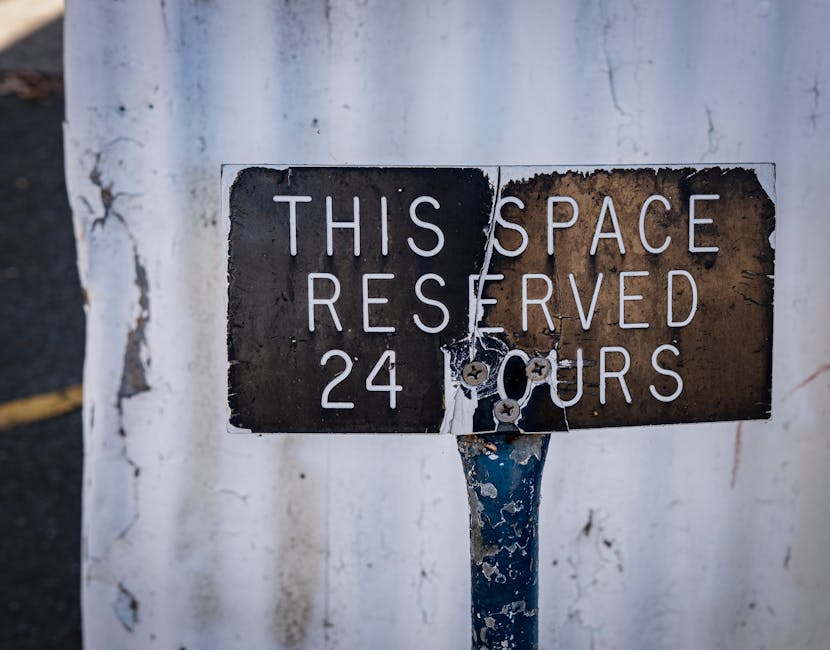
If you are planning a clear-out, a renovation, or a messy garden project, the skip itself is only half the story. The other half is where it sits. Parking a skip on Harrow roads: permits and fines explained matters because one wrong placement can turn a straightforward job into a costly, annoying headache. Nobody wants a skip ticket through the door just because it was left on a road without permission.
In this guide, we break down how skip permits usually work, why Harrow road placement needs extra care, what fines can happen if things go wrong, and how to avoid unnecessary stress. We will keep it plain-English and practical. You will also find a checklist, a comparison table, a real-world example, and a few expert tips that save time in the real world - not just on paper.
Why Parking a skip on Harrow roads matters
On a driveway, a skip is usually simple. On a public road, it becomes a different kind of job altogether. The road is shared space, and that means extra rules, extra responsibility, and usually extra paperwork. That is the part people underestimate.
In Harrow, as in most parts of London, road space is valuable and tightly managed. If a skip is placed on the carriageway, footway, or verge without the right permit, the council may treat it as an obstruction or an unauthorised placement. And yes, that can lead to fines, removal costs, or both. Bit frustrating, really, especially when the waste removal itself was supposed to make life easier.
It matters for a few practical reasons:
- it keeps you on the right side of local highway rules;
- it reduces the chance of complaints from neighbours or passers-by;
- it protects pedestrians, cyclists, and drivers from avoidable hazards;
- it helps your skip hire run smoothly from delivery to collection;
- it avoids surprise costs that can be more expensive than the skip hire itself.
There is also a timing issue. If your project is already running late - the sort of week where dust settles on every surface and the kettle never cools down - the last thing you need is a permit delay. Planning ahead is what separates a calm job from a scramble.
How Parking a skip on Harrow roads: permits and fines explained works
The basic idea is straightforward: if the skip is going on private land, such as a driveway or forecourt, you may not need a road permit. If it must go on a public road, you usually do. That permit is generally arranged before the skip is delivered, and the exact process depends on who is responsible for the street and what conditions apply.
In practice, a skip hire provider often handles the permit application on your behalf, but not always. Some firms include it in the service; others treat it as an extra charge. The important part is to confirm this early, not after the lorry has turned up and the driver is waiting outside with nowhere legal to put the skip. That is awkward for everyone.
Typical road-skip process:
- You decide whether the skip can fit on private land.
- If not, you ask for a road placement option.
- The hire company checks permit requirements for the location.
- The permit is applied for before delivery.
- The skip is delivered only once permission is in place.
- The skip is collected within the agreed period.
Fines or enforcement action usually happen when the skip is placed without permission, left too long, placed in the wrong location, or not marked safely. The exact penalty depends on the circumstance and the enforcing authority, so it is better to think in terms of risk rather than a fixed figure. In plain English: do not assume you can "just pop it on the road for a day or two". That is the sort of assumption that costs money.
There is one more wrinkle. Even if a permit is granted, there may be conditions attached. For example, the skip may need lights, reflective markings, or traffic cones depending on the location and visibility. Those details matter more at night, in darker winter months, or on narrow streets where delivery vehicles already have to squeeze past parked cars.
Key benefits and practical advantages
Getting the permit side right may feel like admin, but it brings real advantages. The obvious one is avoiding fines. The less obvious one is peace of mind. A job that starts legally tends to finish more smoothly. Funny how that works.
- Fewer delays: approved road placement avoids last-minute cancellations.
- Lower risk: a permitted skip is far less likely to trigger enforcement action.
- Better access: if your property has no driveway, road placement may be the only workable option.
- Safer working area: a properly sited skip is easier for households, trades, and neighbours to navigate around.
- More predictable budgeting: you can plan for permit costs instead of absorbing a sudden penalty.
There is also a practical side for larger projects. If you are dealing with a house clearance, a renovation, or a mixed load of bulky waste, you may need a skip that sits conveniently close to the work area. That can make loading easier and reduce the number of trips across a property. If you are balancing multiple jobs, that saved effort is no small thing.
For some customers, though, the smartest move is to avoid a road skip altogether. Services such as waste removal, house clearance, or builders waste clearance can remove the need for a permit entirely if collection happens directly from private premises. That can be a cleaner route, especially where street space is tight.
Who this is for and when it makes sense
Road skip placement is not for everybody. It makes sense when there is no practical private space, when the waste volume is too much for regular bins, or when the project timeline is too tight for repeated tip runs. If you live in a terraced street, a flat, or a property with no off-road parking, you will know the problem already.
It is especially relevant for:
- homeowners clearing lofts, garages, or gardens;
- landlords preparing a property between tenancies;
- builders and tradespeople working on refurbishments;
- small businesses clearing storage or office waste;
- flat residents without a private driveway;
- anyone disposing of bulky items in one go rather than piece by piece.
Sometimes the decision is made for you by the street layout. A narrow Harrow road with parked cars on both sides can make delivery tricky. In that case, a permit may still be possible, but the driver needs room, the placement has to be sensible, and neighbours should not be left blocked in. To be fair, that sounds obvious, but in real life people do overlook it.
It can also make sense to choose an alternative disposal method when the job is lighter than expected. If you are only clearing a few items - say a worn chair, a bit of old carpet, and some broken shelving - a skip may be more than you need. In those cases, furniture disposal or a targeted clearance service can be the neater answer.
Step-by-step guidance
If you are trying to keep things simple, follow this order. It helps avoid the classic "we ordered the skip and now we are stuck" situation.
- Check whether the skip can go on private land. Measure the driveway, front garden, forecourt, or hardstanding area carefully. Leave space for safe loading and for the vehicle to access it.
- Decide whether road placement is unavoidable. If the skip cannot fit off-road, you will need to plan for a permit and any site conditions.
- Speak to the hire provider early. Confirm whether they handle the permit, how long approval usually takes, and whether lights, cones, or reflective markings are included.
- Confirm the exact location. This sounds small, but it matters. A skip placed near a junction, a dropped kerb, or a narrow bend can create problems very quickly.
- Book delivery with time to spare. If you need the skip for a weekend project or a house move, do not leave the permit conversation until the last minute.
- Keep the area clear. Move vehicles, bins, and other obstacles before delivery. A driver arriving to a blocked road is nobody's idea of fun.
- Load the skip safely. Avoid overfilling, keep heavy waste distributed sensibly, and do not stack items above the rim.
- Arrange collection on time. Do not leave a full skip sitting longer than necessary if the permit is limited or the street is busy.
One useful habit: take photos of where the skip is placed and note the permit dates. It takes a minute and can help if there is ever a question later. Not glamorous, but it works.
Expert tips for better results
Most permit problems are avoidable if you think a few steps ahead. Here is the sort of advice we would give a neighbour over the fence, not a glossy brochure.
- Book before the site gets busy. Weekends, school holidays, and the run-up to moving day can make street access more complicated.
- Measure twice. A skip that looks "about right" often is not. Account for overhang, opening access, and lorry clearance.
- Think about visibility. If the skip is near a blind corner or parked cars, extra lighting and marking become more important.
- Keep neighbours in the loop. A quick heads-up can prevent blocked drive complaints and awkward conversations later.
- Choose the right size. An undersized skip often leads to overfilling; an oversized one may take up too much street space.
- Match the service to the waste. Heavy rubble, mixed renovation waste, green waste, or household clutter all behave differently in practice.
If you are dealing with specific project waste, it is often worth looking at a service that fits the job rather than forcing everything into one generic solution. For example, garden clearance suits outdoor debris, while loft clearance is usually better for awkward household items and bagged clutter. That kind of match saves time and, often, money.
And yes, sometimes the best tip is the boring one: ask the question before the skip arrives. Boring, but effective.
Common mistakes to avoid
A lot of skip-related trouble comes from simple misunderstandings. Usually nobody is trying to cut corners; they just assume the road rules are the same as driveway rules. They are not.
- Assuming a skip can sit anywhere: a public road is not the same as private land.
- Leaving the permit too late: if approval is needed, last-minute booking can derail the whole plan.
- Ignoring access issues: a skip may be legal but still impractical if it blocks traffic flow or driveway access.
- Overfilling the skip: overloaded skips can be unsafe to move and may cause collection problems.
- Forgetting loading restrictions: some materials need separate handling, so do not assume everything can go in one container.
- Not checking what is included: permit fees, collection windows, and safety accessories can vary by provider.
One of the most common real-world issues is simple optimism. "It will be fine for a couple of days." Maybe. Or maybe the street gets busier than expected, a neighbour objects, or the permit conditions are stricter than you thought. Better to plan for the tougher version of the day, not the easier one.
Tools, resources and recommendations
You do not need fancy kit to manage a road skip well, but a few practical tools help enormously. Nothing dramatic. Just the kind of things that make the job smoother when the weather is drizzly and the driveway is already half full of bags.
- Measuring tape: for checking driveway width, access gaps, and placement space.
- Phone camera: useful for recording placement and site conditions before delivery.
- Simple checklist: prevents forgotten permit details and collection dates.
- Bin bags or rubble sacks: helps you load mixed waste more neatly.
- Gloves and sturdy footwear: sensible for safe loading, especially on rough debris.
In terms of service planning, many people find it helpful to compare skip hire with alternative clearance options. If the waste is mainly furniture or household contents, then flat clearance, home clearance, or furniture clearance may be more convenient than managing a road permit. For business premises, business waste removal or office clearance can be a smarter fit.
For questions about service scope, pricing, or what is included, it helps to review pricing and quotes early. If you want to understand how the company handles safety and responsibility, the pages on health and safety policy and insurance and safety are useful reading too.
Law, compliance, standards, or best practice
This is the part people often want simplified, and fairly enough. The key principle is that placing a skip on the public highway is a controlled activity. If you use public road space, you need to follow the relevant permit process and any conditions attached to the approval.
The safest approach is to treat the road as regulated space, not as overflow storage. That means:
- getting permission before placement if a permit is needed;
- following the permit dates exactly;
- using any required lights, cones, or reflective markings;
- keeping the skip in the approved position;
- avoiding obstruction to pedestrians, vehicles, and emergency access;
- making sure the waste is suitable for the container and collection method.
Best practice also means keeping records. A copy of the permit details, the delivery date, and any site notes can save time if there is a dispute. If you are arranging clearance for a household or business premises, it is also sensible to work with a provider whose policies are clear. Pages such as terms and conditions, privacy policy, and recycling and sustainability help show how a service handles responsibilities beyond the collection itself.
If a skip is not the right route, that is not a failure. It is a decision. In many Harrow streets, a direct clearance service can be the more compliant and less stressful choice because it removes the need for a road permit in the first place.
Options, methods, or comparison table
Here is a simple comparison to help you decide whether a road skip is the right tool for the job.
| Option | Best for | Permit needed? | Main advantage | Watch out for |
|---|---|---|---|---|
| Skip on private land | Driveways, forecourts, large private spaces | Usually no | Simpler, faster, lower admin | Space can be tight; check access carefully |
| Skip on Harrow road | Homes without off-road space | Usually yes | Convenient when there is no driveway | Permit timing, road conditions, possible fines |
| Waste removal service | Mixed household or business waste | No road placement needed | No skip sitting outside; often less hassle | May need more labour at collection time |
| Targeted clearance service | Furniture, lofts, garages, flats, offices | No road placement needed | Good for awkward items and quick turnarounds | Less suited to heavy builder's rubble |
For some jobs, the best choice is obvious. For others, it is a judgement call. A messy office clear-out, for example, may be handled better with office clearance than with a skip sitting outside the building all week. Likewise, bulky old units and chairs can often be dealt with through furniture disposal rather than container hire.
Case study or real-world example
Imagine a terraced property on a busy Harrow road. The homeowner is clearing a loft, a spare room, and a small front garden. At first, they think a skip will go on the driveway. Then they measure it properly and realise the front space is too narrow once the lorry access and loading room are considered. Not enough room. Not even close.
At that point, they have two realistic choices: arrange a road permit for a skip or switch to a direct clearance service. They compare the timing, the likely street disruption, and the permit cost. Because they also have a few awkward pieces of old furniture and some bagged clutter, they choose a clearance route instead. It means no permit waiting period, no concern about lights or road markings, and no worry about blocking a neighbour's car in on a Friday evening.
The nice part? The job finishes in one visit. The front room looks brighter by lunchtime, there is no metal container sitting outside for days, and the client does not spend the weekend wondering whether the permit details were filed correctly. Truth be told, that peace of mind is often what people value most.
This is not to say a skip would have been wrong. It just would have been more complicated than it first appeared. And that is the lesson. The cheapest-looking option is not always the simplest one once road rules, access, and timing are all taken into account.
Practical checklist
Before you book anything, run through this checklist. It keeps the process grounded and helps you catch avoidable issues early.
- Have I confirmed whether the skip can fit on private land?
- If it must go on the road, have I checked permit requirements first?
- Do I know who is arranging the permit?
- Have I asked about permit timing and any conditions?
- Is the proposed location safe and practical for traffic and pedestrians?
- Have I measured access carefully, including lorry clearance?
- Do I know what waste is going into the skip?
- Have I compared a skip with a direct clearance option?
- Do I understand any extra costs before I commit?
- Have I set a clear collection date?
If you can tick most of those without hesitation, you are in a good place. If not, slow down a bit. A ten-minute check now is easier than a two-day fix later.
Get a free quote today and see how much you can save.
Conclusion
Parking a skip on Harrow roads is absolutely manageable, but it should never be treated casually. The permit, placement, and collection details matter just as much as the skip size itself. If the road side of the job is handled properly, everything tends to go more smoothly. If it is handled badly, fines and delays can creep in fast.
The main takeaway is simple: check whether the skip can sit on private land first, confirm permit requirements early if it cannot, and consider whether a clearance service would be a cleaner fit. For a lot of Harrow homes and businesses, that small bit of planning makes the whole project calmer, safer, and less expensive. And let's face it, a calmer week is worth a lot.
There is no prize for making waste disposal harder than it needs to be. The best outcome is the quiet one: job done, street clear, and no unpleasant surprises landing later through the letterbox.
Frequently Asked Questions
Do I need a permit to put a skip on a Harrow road?
In most cases, yes. If the skip is placed on a public road, footway, or verge, permission is usually required. If it stays entirely on private land, a permit is often not needed. Always confirm the setup before booking.
Who arranges the skip permit?
Usually the skip hire provider arranges it, but not always. Some companies include permit handling in the service, while others leave it to the customer. Ask this before you confirm the booking so there are no surprises.
How long does a road permit take to sort out?
That depends on the local process and how busy things are. It is best not to leave it to the last minute. If your project has a deadline, plan ahead and allow extra time for approval.
What happens if I put a skip on the road without permission?
You risk enforcement action, which may include a fine, removal costs, or other penalties. The exact outcome depends on the situation, but the safest answer is not to chance it.
Can I leave the skip in one place longer than planned?
Not if the permit or hire agreement does not allow it. Keep an eye on the dates and collection timing. It is one of those small admin jobs that pays for itself by avoiding hassle.
Are there extra safety rules for road skips?
Yes, often there are. Lighting, reflective markings, cones, or a specific placement position may be required depending on the road and visibility. Ask the provider what applies before delivery.
Is a skip always the best option for a house clearance?
No. For many house clearances, a direct clearance service is easier because it avoids road permits and makes loading simpler. It depends on the amount and type of waste.
What if my driveway is almost big enough?
Measure it properly rather than guessing. Allow for the vehicle, loading space, and safe access. "Almost" is often not enough once the skip lorry is involved.
Can I place a skip near a parked car or junction?
Only if the location is permitted and safe. Tight corners, junctions, and blocked sightlines are exactly the kind of things that create trouble. A sensible placement decision matters more than squeezing it in.
How do I know whether I should use a skip or a clearance service?
Use a skip if you have a decent amount of mixed waste and a suitable place for it. Use clearance if the waste is awkward, the street is tight, or you want to avoid permit admin. When in doubt, compare both options before booking.
Will road parking issues affect the overall cost?
Yes, they can. Permit charges, timing changes, and extra safety requirements may affect the total. It is better to ask for a clear quote up front than to assume the road placement is included.
Where can I read more about the company's service standards?
You can review the company's pages on about us, insurance and safety, health and safety policy, and contact us to understand how services are handled and how to get in touch.
What is the simplest way to avoid fines altogether?
The simplest way is to keep the skip off the public road if you can. If that is not possible, arrange the permit first and make sure all conditions are followed. That's the cleanest route, no drama.