Where Harrow recyclables go: local processing explained
If you have ever stood over the recycling bin wondering what actually happens next, you are not alone. In Harrow, the journey is more involved than most people realise. Where Harrow recyclables go: local processing explained is really a story about sorting, quality control, transport, local handling, and making sure the right materials become useful again rather than ending up as avoidable waste.
That matters whether you are clearing out a flat, managing a business load, or just trying to get household recycling right. A cleaner stream at home usually means better outcomes down the line. And yes, a little less confusion too. In this guide, we will walk through what happens after collection, why it matters, which materials are most likely to be recovered, and how to avoid the common mistakes that can interrupt the process.
It is practical, local, and a bit less mysterious once you break it down. Let's do that properly.
Table of contents
- Why local recycling processing matters in Harrow
- How the recycling journey works step by step
- Key benefits and practical advantages
- Who this is for and when it makes sense
- Step-by-step guidance
- Expert tips for better results
- Common mistakes to avoid
- Tools, resources and recommendations
- Law, compliance, standards, or best practice
- Options, methods, or comparison table
- Case study or real-world example
- Practical checklist
- Conclusion
- Frequently asked questions
Why Where Harrow recyclables go: local processing explained Matters
Recycling is easy to underestimate because the bin disappears from view. Out of sight, out of mind, as the saying goes. But what happens next has a real impact on local costs, contamination levels, and the amount of material that can be recovered for reuse.
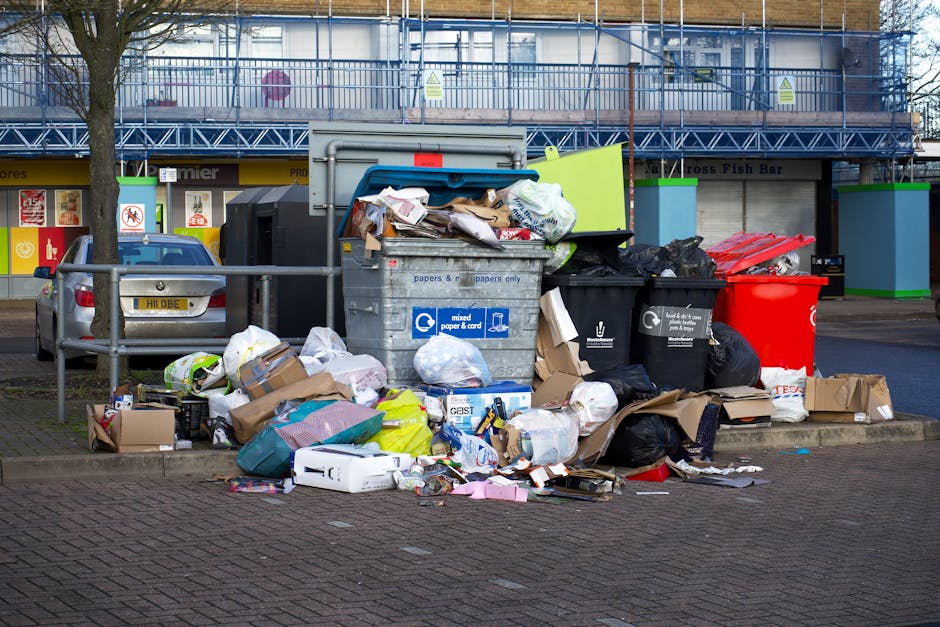
In Harrow, as in much of London, recycling works best when households and businesses keep their materials reasonably clean and well sorted. Once mixed with food waste, liquids, soil, or non-recyclable items, the value of those materials can drop sharply. A paper box with grease stains is not the same as a dry cardboard carton. A rinsed plastic bottle is far easier to process than one still half-full of sauce. Small difference, big effect.
Why should you care? Because good recycling behaviour helps in several directions at once:
- it improves the chance that materials are actually recovered;
- it reduces wasted transport and sorting effort;
- it supports local waste services and contractors working more efficiently;
- it lowers the risk of rejected loads or extra handling;
- it gives residents and businesses a clearer idea of what belongs where.
There is also a trust angle. People often want to know whether "recycling" really means recycling. Fair enough. If you are separating items at home or arranging a clearance, you deserve a straight answer about what happens after pickup. That is what this article aims to give you.
Practical takeaway: the cleaner and more consistent your recycling stream is, the better the chances that it can be sorted, baled, and sent on to the right reprocessor without unnecessary waste.
How Where Harrow recyclables go: local processing explained Works
The exact route can vary depending on the collection method, material type, and who is handling the load, but the overall process usually follows the same broad path. Think of it as a chain. If one link is weak, the rest has to work harder.
1. Collection at the source
Recyclables begin in homes, flats, offices, shops, or clearance jobs. This might be a weekly household collection, a bulky item collection, or a commercial waste pickup. In real life, the starting point matters more than people think. If the load is already mixed or dirty, the rest of the journey becomes harder immediately.
2. Transfer and transport
Once collected, materials are moved to a transfer point or a processing facility. Vehicles are usually chosen to keep loads safe and efficient, and to reduce unnecessary handling. For mixed loads, the material may be consolidated before going through sorting. For cleaner, separated loads, the route can be a bit more direct.
3. Sorting by material type
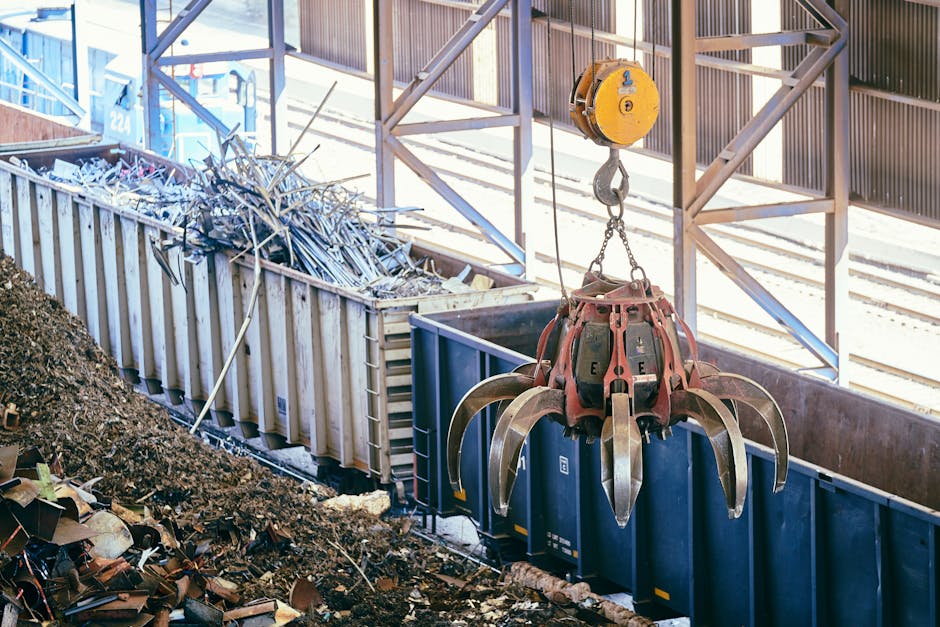
This is where the real work begins. Materials may be separated into broad streams such as paper, card, metal, plastic, glass, wood, or residual waste. Sorting can involve a mix of manual checks and mechanical systems. Conveyor belts, magnets, screens, and optical sorting technology are all used in the industry, depending on the site and the material.
Manual sorting still plays an important role. Machines are good, but they are not magical. Someone still has to remove the rogue items: a plastic tub in the paper line, a tangled carrier bag, the odd toy or battery that should never have been there in the first place. Human judgement keeps the whole system honest.
4. Quality checks and contamination removal
Once sorted, the material is checked for contamination. Contamination means anything that lowers the quality or usability of the recyclables. This can be food, liquids, broken glass in the wrong place, textiles, garden waste, or mixed materials that cannot be separated economically.
At this stage, some items are recovered, some are rejected, and some may be downcycled into lower-grade uses. A clean aluminium can has a very different value from a can smeared with leftover food and stuck to packaging film. That sounds obvious, but in practice it is one of the biggest issues.
5. Baling, compacting, or preparing for reprocessing
After sorting, many materials are compressed into bales or prepared into batches. This makes transport more efficient and helps the next processor handle them safely. Paper may be bundled, metals compacted, and plastics grouped by polymer type or grade.
6. Reprocessing into new products
This is the point people usually imagine when they say recycling. The material is turned into something useful again. Cardboard may become new packaging. Metals can be melted down and reused repeatedly. Glass may be remade into containers or aggregate. Plastics can be reprocessed into pellets or other products, although this depends heavily on the type and quality of plastic.
7. Residual waste and disposal of what cannot be recovered
Not everything makes the cut. Some material is too contaminated, mixed, or damaged to recycle efficiently. That remainder is usually diverted to residual waste treatment or disposal routes. The goal is always to reduce this fraction, but truth be told, some losses are normal in every recycling system.
If you want the simple version, here it is: collected, sorted, checked, baled, reprocessed, and then made into something new. Straightforward on paper. A bit less so in a busy local waste network on a wet Tuesday in London.
Key Benefits and Practical Advantages
Understanding the local processing path is not just interesting. It helps you make better decisions every time you throw something away.
| Benefit | What it means in practice | Why it matters |
|---|---|---|
| Better material recovery | Clean, separated recycling is easier to sort and reprocess | More of your waste can become usable material again |
| Lower contamination risk | Fewer wrong items in the bin or load | Reduces rejections and wasted effort |
| Improved efficiency | Less manual sorting and fewer delays | Supports smoother local operations |
| Clearer decisions | You know what to keep separate and what can go together | Makes home and business recycling easier |
| Better environmental outcome | Materials stay in use longer | Supports resource conservation and lower waste volumes |
There is another benefit that rarely gets mentioned enough: confidence. Once you understand where your recyclables go, you stop guessing. You know why one item belongs in recycling and another does not. That saves time, and it tends to reduce the little recycling arguments people have in kitchens, offices, and shared flats. Which, to be fair, can get surprisingly lively.
For landlords, property managers, and business owners, this knowledge also helps with planning. If you know what can be diverted from mixed waste into recycling streams, you can often reduce the volume of general waste needing disposal. That is not always dramatic, but over time it adds up.
Who This Is For and When It Makes Sense
This topic is useful for a wide range of people in Harrow, and not only those who already recycle carefully.
- Households who want to recycle correctly and avoid contamination;
- Flat residents dealing with limited storage, shared bins, or confusing signage;
- Businesses that produce cardboard, packaging, office waste, or mixed recyclables;
- Landlords and letting agents managing clearances and tenant turnover;
- Homeowners with lofts, garages, sheds, or garden waste to clear;
- Anyone arranging a clearance and wanting to know whether reusable or recyclable items can be separated properly.
It makes sense any time you are deciding between disposal routes. For example, if you are clearing old furniture, it may be better to separate reusable pieces, recyclable materials, and genuine waste rather than sending everything out in one mixed pile. A bit more effort up front often gives a better result.
It also matters when you are choosing a clearance service. Some jobs are straightforward; others need more care. A load from a loft full of mixed items is not the same as a stack of clean cardboard and office furniture. The process changes depending on what is actually there. Seems obvious, but in practice people often forget that.
Step-by-Step Guidance
If you want a simple way to think about the recycling journey, use this sequence.
- Separate materials at source. Keep paper, cardboard, metals, plastics, glass, and general waste apart where possible.
- Keep items clean and dry. A quick rinse is often enough for containers. No need to scrub them like kitchenware, just remove obvious residue.
- Remove non-recyclable contamination. Plastic film, batteries, food waste, broken ceramics, and textiles can all cause problems if mixed in.
- Use the right collection or clearance route. Household recycling, bulky waste, and business waste are not always handled the same way.
- Let the material be sorted properly. Avoid overfilling bags and boxes so items can be processed more easily.
- Ask questions when unsure. If you have unusual items, check before adding them to a load. Better to ask once than contaminate a whole batch.
A useful habit is to pause before disposal and ask: "Would someone at a sorting facility be able to recognise and recover this easily?" If the answer is no, the item probably needs special handling.
For larger projects, a little pre-sorting can make a real difference. If you are clearing an office, for instance, cardboard, mixed paper, metal shelving, and old electronics should not all be tipped into the same pile and hoped for the best. Hope is not a recycling strategy.
Expert Tips for Better Results
Here are the habits that tend to improve recycling outcomes most reliably.
- Flatten cardboard before collection. It saves space and makes handling much easier.
- Keep food residue out of recycling. Even a small amount can affect a whole bag or box.
- Think in materials, not objects. A chair is not one material. It may contain wood, metal, foam, and fabric. That matters.
- Separate reusable from recyclable. If an item still has useful life left, reuse or donation may be better than recycling.
- Watch for composite items. Packaging made from layered materials can be tricky and may need special disposal.
- Use sturdy containers for loose recyclables. Light plastic or paper can blow about, especially on breezy days near open loading areas.
- Plan for storage if you generate waste regularly. Businesses in particular benefit from clear internal sorting points.
One small but important point: not every "recyclable" item is locally recyclable in every system. Material acceptance can vary. If something looks recyclable but the local route cannot process it cleanly, it may still end up rejected. That is why the practical rule is not just "is it recyclable in theory?" but "can it be handled properly here?"
If you are dealing with a large volume, use separate piles or bags from the start. It feels slightly fussy in the moment, but it pays off. Usually quicker, too.
Common Mistakes to Avoid
Most recycling problems come from a handful of recurring mistakes. The good news? They are fixable.
- Mixing food waste with clean recyclables. This is one of the fastest ways to reduce quality.
- Putting loose plastic bags into the wrong stream. They can tangle sorting equipment and cause disruption.
- Assuming all plastics are treated the same. Different types behave differently in processing.
- Disposing of electronics with general recyclables. These often need separate handling because of components and safety concerns.
- Leaving bottles or containers half-full. Liquids create mess, weight, and contamination.
- Ignoring labels or local instructions. Even a well-meaning mistake can affect the whole load.
There is also the "too clever by half" mistake: trying to hide unsuitable waste inside a recycling bag and hoping nobody notices. It happens more than people admit. The result is usually the opposite of what they wanted. Better to separate properly than to create extra work downstream.
If you are unsure about an item, treat uncertainty as a signal rather than a nuisance. A five-second pause can save a whole batch.
Tools, Resources and Recommendations
You do not need fancy tools to improve recycling outcomes, but a few simple helpers make life easier.
- Colour-coded bins or boxes for separate material types;
- Labels for shared spaces, especially in flats or offices;
- Stackable crates for cardboard, paper, and mixed dry recyclables;
- Basic protective gloves for clearances involving awkward edges or dusty items;
- Heavy-duty bags or containers for non-sharp mixed waste;
- A pre-clearance sorting area so you can check items before they leave the property.
For people arranging larger clearances, it can also help to look at broader waste options alongside recycling. For example, services such as waste removal and recycling and sustainability can be useful reference points when you are trying to decide what should be reused, recycled, or removed as residual waste.
If you are dealing with furniture, the distinction between disposal and recovery is worth considering carefully. Some items may be suitable for furniture disposal, while others could be better treated through clearance routes that allow for sorting and reuse. The same thinking applies if you are organising larger household, office, or garage clearances.
Useful related services and topics can also help you plan the job properly, including house clearance, office clearance, garage clearance, and loft clearance. Different waste streams, different challenges. Same basic principle: sort well, handle safely, and keep recyclable material as clean as possible.
And if you want a broader local context, the blog section is worth a look too. Articles like saving money and the planet when disposing of bulky waste items and improving packaging and cardboard disposal habits explore the practical side of sorting and disposal in everyday terms.
Law, Compliance, Standards, or Best Practice
Recycling and waste handling in the UK sits within a wider framework of legal duties, local collection rules, and environmental best practice. You do not need to memorise every regulation to do things correctly, but you should understand the basics.
For households, the main practical requirement is to follow local collection instructions and avoid contamination. For businesses, the bar is often higher. Commercial waste is expected to be managed responsibly, and mixed loads may need more careful separation, documentation, and storage. If your business regularly produces cardboard, office paper, packaging, or mixed dry recyclables, it is worth setting a clear internal system rather than leaving it to chance.
Health and safety also matters. Sharp objects, broken glass, heavy items, dust, and awkward lifting can all create risk during sorting and loading. Good practice means using suitable containers, wearing appropriate PPE where needed, and handling waste with care. If a clearance involves stronger manual handling or more hazardous items, a responsible provider should have clear processes in place. That sort of thing should never be improvised.
In our experience, the best systems are the boring ones. Clear labels, clean separation, sensible storage, and no guessing. Not glamorous, but effective.
If you are checking a provider, it is sensible to ask how they manage sorting, what happens to recyclable fractions, and how they handle the non-recyclable remainder. You can also review supporting pages such as health and safety policy, insurance and safety, and terms and conditions to understand how a service approaches risk and responsibility.
Options, Methods, or Comparison Table
Different recycling and clearance routes suit different situations. Here is a simple comparison.
| Method | Best for | Strengths | Limitations |
|---|---|---|---|
| Kerbside household recycling | Routine home dry recyclables | Convenient, familiar, low effort | Limited to accepted materials and set schedules |
| Pre-sorted clearance | Households, flats, and small businesses with mixed items | Better recovery potential, more flexible | Requires a bit of sorting before collection |
| Commercial waste service | Businesses with regular waste output | Scalable, repeatable, organised | Needs clear internal management |
| Reuse-led clearance | Furniture, fixtures, and usable goods | Extends product life, often best environmental outcome | Not every item is suitable for reuse |
| Residual disposal | Contaminated or unrecoverable waste | Necessary for non-recyclables | Least resource-efficient option |
The best option is not always the most "recycling-heavy" one on paper. Sometimes reuse beats recycling. Sometimes a careful mixed clearance beats a badly sorted DIY attempt. The right choice depends on the condition of the items and how much time you have to prepare them.
Case Study or Real-World Example
A small office in Harrow was clearing out after a move. The space had old filing boxes, damaged chairs, mixed stationery, broken small appliances, and a pile of cardboard from incoming deliveries. At first glance it looked like one big job. In reality, it was three separate streams.
The team sorted the cardboard and dry paper into one pile, separated reusable office furniture from broken items, and isolated the electronic waste so it could be handled properly. The leftover mixed waste was kept to a minimum. Nothing dramatic. Just a sensible sort-out before collection.
The result was simpler than they expected. The cardboard was easy to process. The furniture stream was handled separately. The final residual waste load was smaller than if everything had gone into one bin bag and been called "rubbish". That one decision saved time and made the process cleaner overall.
What did they notice most? Less mess, less confusion, and fewer last-minute decisions on collection day. You could almost hear the relief when the room started clearing out. Honestly, that is the hidden win with good recycling practice: it makes the whole job feel lighter.
A similar approach works at home. If you are clearing a loft or garage, separate cardboard, metal, reusable household goods, and genuine waste before the van arrives. It sounds basic. It is basic. But basic done well beats complicated done badly every single time.
Practical Checklist
Use this checklist before arranging recycling or a clearance.
- Have I separated recyclables from general waste?
- Are containers empty, clean, and dry where practical?
- Have I removed batteries, liquids, and hazardous items?
- Have I flattened cardboard and reduced bulk where possible?
- Are reusable items kept apart from waste?
- Do I know which items need special handling?
- Have I chosen the right collection or clearance route?
- Is the storage area safe and accessible?
- Have I checked for shared-bin or building-specific rules if I live in a flat?
- Have I planned for the non-recyclable remainder?
If you can tick most of those boxes, you are already ahead of the average recycling set-up. Not perfect. Just much better organised. And that counts.
Conclusion
Where Harrow recyclables go is not a mystery once you break the process into practical stages. They are collected, sorted, checked, prepared, and then sent on to new uses where possible. The cleaner and better sorted the material, the stronger the chance that it can be recovered efficiently.
For households, businesses, and anyone planning a clearance, the main lesson is simple: separate early, keep items clean, and choose the right route for each material. That saves time, supports better recycling outcomes, and makes the whole process feel far less chaotic. In real life, that is usually what people want most.
If you are planning a clearance or want to handle recyclables more efficiently, start with the materials you can separate today. A little order now makes the rest of the job much easier.
Get a free quote today and see how much you can save.
Frequently Asked Questions
What happens to Harrow recycling after collection?
After collection, recyclables are usually transported to a sorting or transfer facility, where they are separated by material type, checked for contamination, and prepared for reprocessing. Clean material has the best chance of being recovered.
Does everything I put in recycling actually get recycled?
Not always. Some items are too contaminated, mixed, or damaged to process efficiently. Those may be removed during sorting and sent to residual waste treatment instead. That is why clean, well-sorted recycling matters.
Why is contamination such a problem?
Contamination lowers the quality of recyclables and can affect whole batches. Food residue, liquids, non-recyclable plastics, and mixed materials can all make processing harder and less efficient.
Can I recycle furniture in Harrow?
Sometimes, but it depends on the item and its condition. Usable furniture may be suitable for reuse, while damaged or mixed-material pieces may need dismantling or separate disposal. It is often better to assess each item individually.
What should I do with cardboard and packaging?
Flatten cardboard, keep it dry, and remove obvious contamination such as food or plastic film where possible. Clean cardboard is one of the easiest materials to recover.
Are all plastics treated the same way?
No. Different plastics can behave very differently in sorting and reprocessing. Some are easier to recycle than others, and some packaging contains mixed materials that are harder to separate.
Is it better to reuse or recycle?
Reuse is often the better first option if an item still has useful life left. Recycling is the next best step when reuse is not practical. The environmental benefit usually improves when items stay in use for longer.
What if I am clearing a flat or shared property?
Shared buildings often need a bit more planning because of access, storage, and bin rules. Sorting items before moving them out of the property usually helps avoid confusion and keeps corridors clearer.
How do businesses improve recycling rates?
Businesses do best when they create simple internal sorting points, label bins clearly, and train staff on what goes where. Regular waste audits can also reveal easy wins, especially for cardboard and office paper.
Do I need to worry about safety when sorting waste?
Yes, especially with sharp items, heavy objects, dust, and broken materials. Good practice means using suitable containers, handling items carefully, and separating anything hazardous or awkward before collection.
What is the biggest mistake people make with recycling?
Probably mixing the wrong items together and assuming the system will sort it out later. Small errors add up quickly. If in doubt, keep it separate until you know the correct route.
How can I make a clearance more environmentally responsible?
Sort reusable items first, keep recyclables clean and separate, and reduce the amount of mixed waste as much as possible. If you are booking a clearance, ask how the provider handles sorting and recovery so you know what happens next.
At the end of the day, recycling works best when it is treated as a practical habit, not a mystery. A little care goes a long way, and in Harrow that really can make a visible difference.